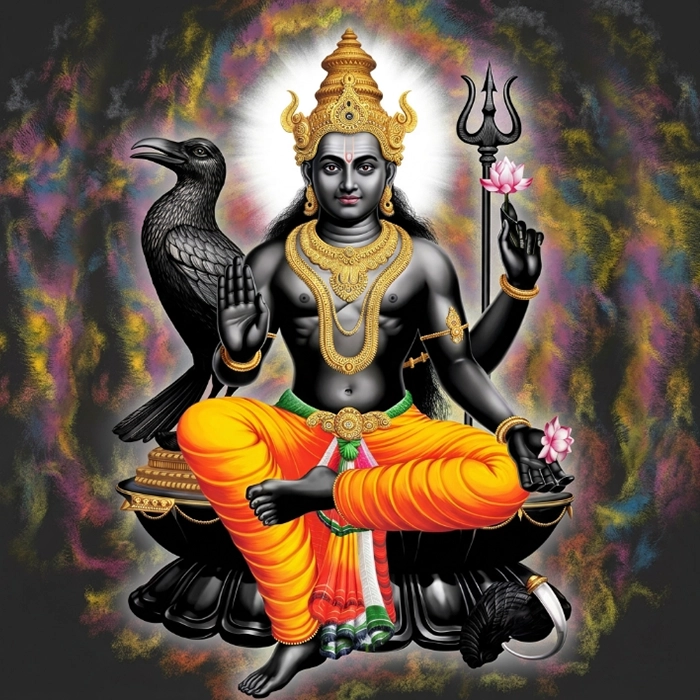
Shani Shanthi Pariharam provides assistance in overcoming the difficulties caused by the planet Saturn, also known as Saneeswaran and also helps one to maintain balance during difficult periods brought about by the movement of planets. Practitioners carry out ancient rituals at temples in order to overcome delays and difficulties that they encounter in their lives and to ensure stable progress in all areas.
Upilli Trails provides complete support for Shani Shanti Pariharam journeys with well planned temple circuits, comfortable travel, trusted stays, and guided coordination at every temple. We manage every detail from transport to darshan timing so devotees can focus fully on rituals and blessings without any stress or confusion.



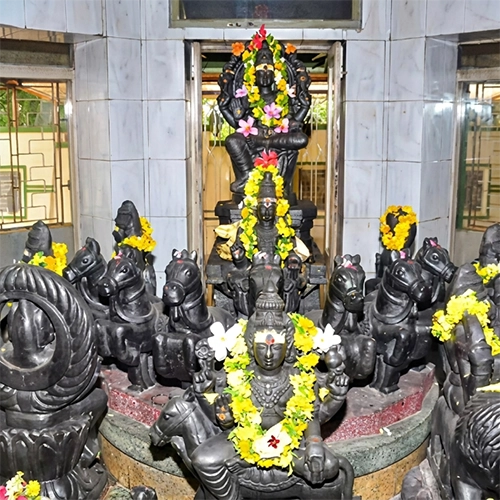
Saturn also called as Sani Dev or Saneeswaran is linked to discipline, delay, responsibility, and long periods of testing in life in the Vedic astrology traditions. Sade Sati (also known as Ezhara Shani), and Ashtama Shani are the well known phases related to the Saturn transit in a horoscope. In these times, people visit Shani temples, offer sesame oil lamps, conduct pooja and follow the worship connected with Lord Saneeswaran in the temple.
Devotees also observe fasting on Saturdays, chant Shani mantras, and donate black sesame, iron items, or clothing as part of their remedies. Many also perform circumambulation of the Shani shrine and seek blessings for relief from obstacles, stability in life, and mental strength during challenging periods.
Shani pariharam temples are visited by devotees from different backgrounds and age groups. Some arrive after astrology guidance. Some come through family belief and long-standing temple traditions.
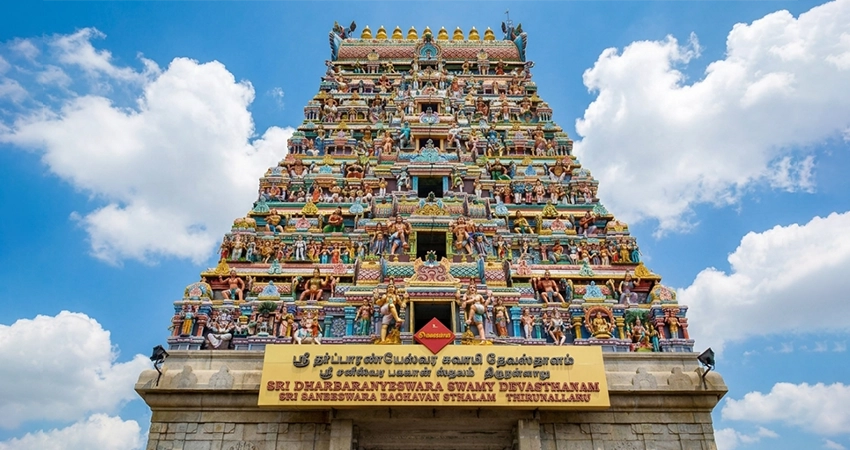
Main Deities : Lord Dharbaranyeswarar and Goddess Pranambigai. Lord Saneeswaran has a dedicated sannidhi within the temple complex.
Sthala Virutcham : Dharba Grass
Famous For : Thirunallar is one of the most important Shani worship temples in India. Devotees visit the temple during Sade Sati, Ashtama Shani, and Shani Peyarchi periods seeking Saturn-related blessings and traditional pariharam worship.
Prasadam : Vibhuti, Kumkum, and temple prasadam distributed after darshan and pooja
The Shani Pariharam :
6:00 AM to 1:00 PM & 4:00 PM to 9:00 PM
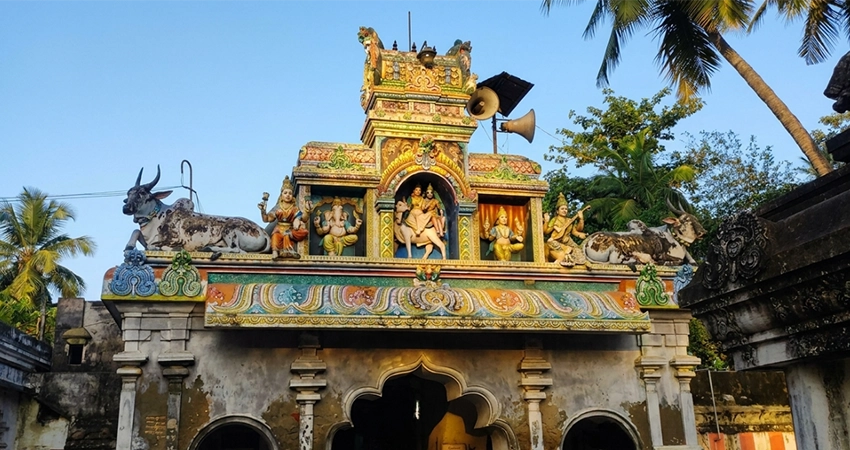
Main Deities : Lord Ramanathaswamy (Lord Shiva), Goddess Parvadavarthini, and Sri Mangala Saneeswaran
Famous For : Being the only temple where Lord Shani is present with his entire family including his two wives and two sons. He is worshipped here as Mangala Shani, symbolizing a benevolent form that supports harmony and prosperity.
Prasadam : Ellu Sadam (sesame rice) and coconuts
Pariharam :
Distance : ~8 to 9 km from Kumbakonam town center near Nachiarkoil
Normal Days: 7:30 AM – 12:30 PM & 4:15 PM – 8:30 PM
Saturdays: 5:00 AM – 12:30 PM & 4:15 PM – 8:30 PM (extended up to 9:00 PM)
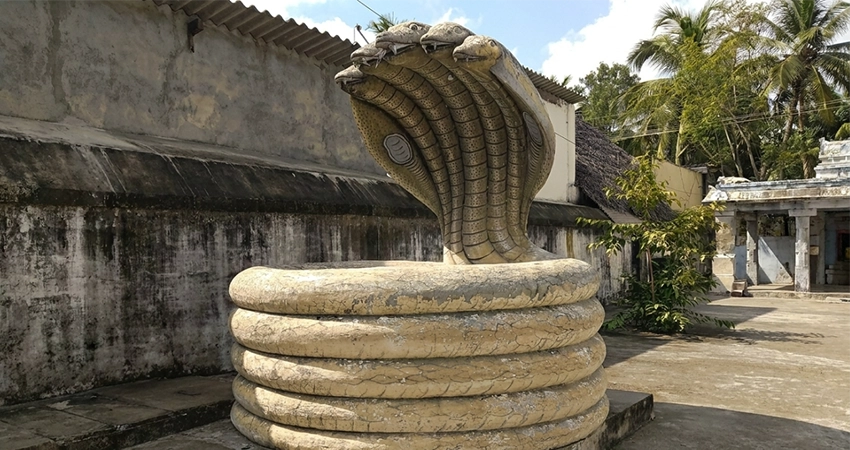
Main Deities : Sri Viswanatha Swamy (Rudraksha Lingam) and Goddess Vedanthanayaki
Famous For : The Shiva Lingam is covered with Rudraksha beads and is deeply revered for spiritual power. It is believed that worship here supports liberation from the cycle of rebirth.
Prasadam : Vibhuti and Pradosha offerings such as Panakam and Sarkkarai Pongal
Pariharam :
Distance : Around 15 km from Kumbakonam town
8:00 AM – 11:30 AM & 5:00 PM – 7:30 PM (special opening during Pradosham and Shivaratri days)
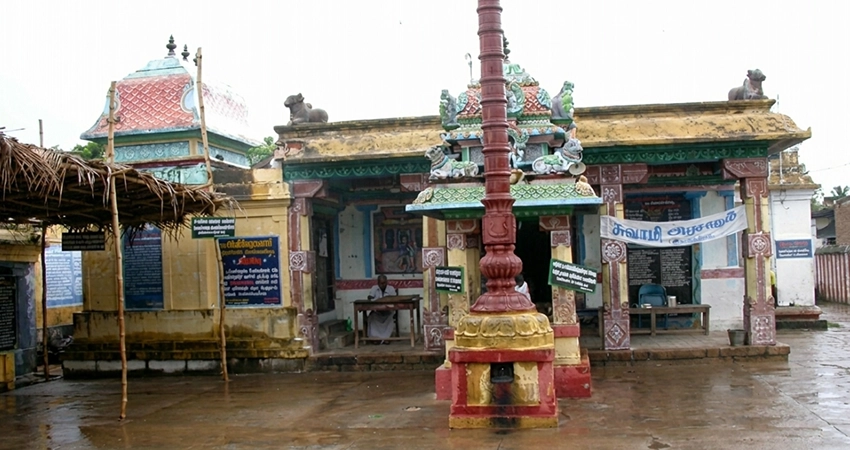
Main Deities : Lord Agneeswarar (Lord Shiva), Goddess Panjinreer Mozhiyammal, and Pongu Shani
Famous For : Known as the "Prosperity Saturn" temple. Legend dictates that after punishing devotees during Sade Sati, Lord Shani comes here to restore wealth, lost jobs, health, and happiness.
Prasadam : Sweet Pongal and Vibhuti
Core Rituals :
Distance : ~45 km South of Kumbakonam
Travel Time : ~1 hour 10 minutes drive
6:00 AM – 12:30 PM & 4:00 PM – 8:30 PM (Closes strictly during afternoon hours)
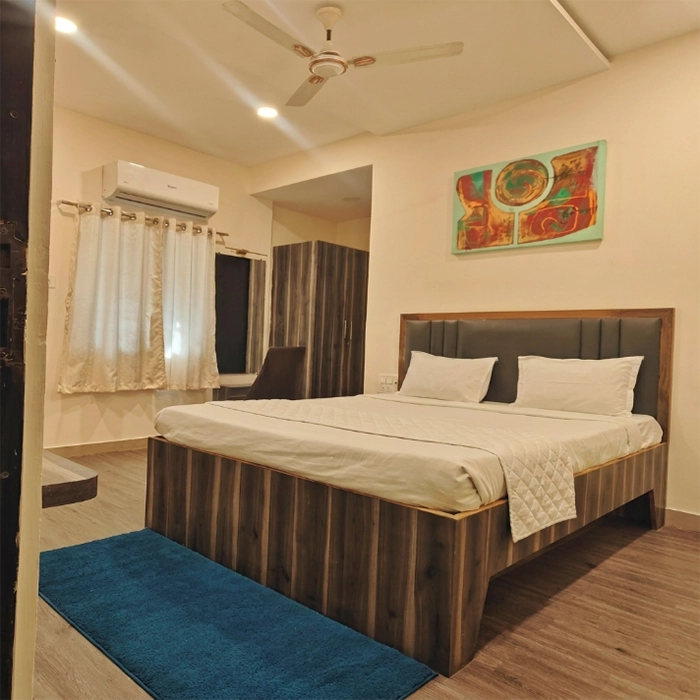
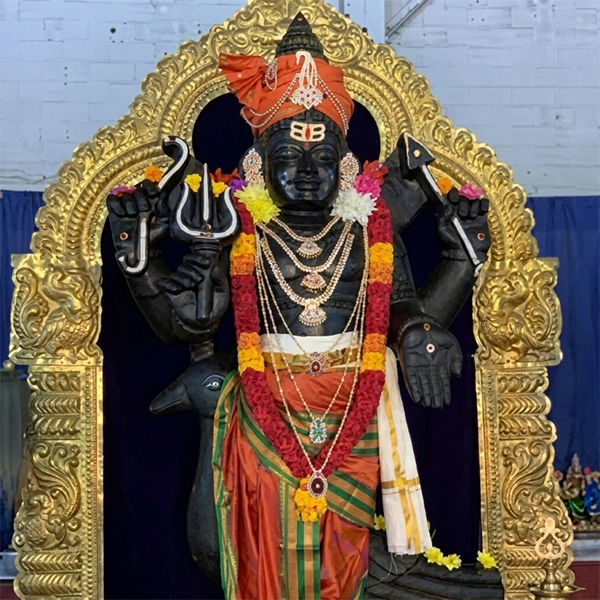

These devotees travel from abroad to complete Shani Dosha Pariharam with proper guidance, planned temple routes, and smooth coordination in a limited time frame.

They visit South Indian Navagraha and Shani temples to experience traditional rituals and complete Saturn related remedies with priest guided poojas.

These devotees regularly visit Shani temples as part of family tradition and include Pariharam rituals during important life phases or temple tours.

They travel alone for focused spiritual experience, personal prayers, and Shani Dosha remedies without group or family involvement.

Families visit together to perform Shani Dosha Pariharam for collective well being, marriage blessings, and long term stability.

These devotees travel in organized groups or tour packages, covering multiple temples and completing rituals in a structured itinerary.
It helps reduce constant delays in career, marriage, and important life decisions and brings better timing in opportunities.
It supports steady growth at work, reduces sudden setbacks, and helps build long term professional discipline.
It helps bring more stability in money flow and reduces unexpected financial stress caused by repeated blockages.
It reduces overthinking, confusion, and emotional heaviness that often comes during difficult Saturn periods.
It improves patience, routine, and decision making, which helps a person stay consistent in life goals.
It helps reduce misunderstandings and distance in relationships by improving emotional balance and communication.
It increases interest in prayer, self reflection, and temple practices, which helps a person feel more grounded and connected.
Temple rituals commonly followed during Shani pariharam visits include
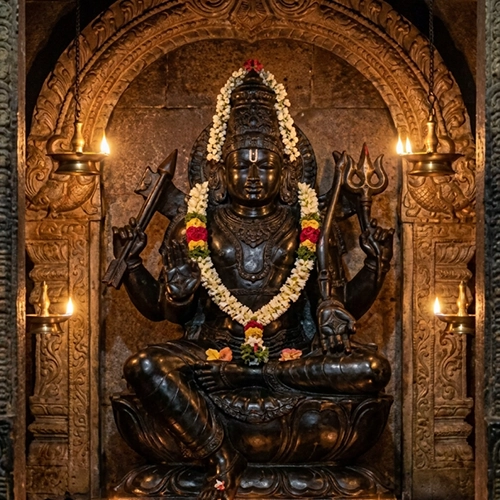
Additional temple visits can be added based on available travel days and preferred pooja timings.
Devotees travelling for Navagraha circuits can also extend the pilgrimage route across nearby temple regions.
Travel coordination support includes:

Our team regularly coordinates pilgrimage movement across temple towns, railway routes, and darshan timings in Tamil Nadu.

Fresh vegetarian meals are arranged during the pilgrimage route for devotees and travelling families.

From station arrival till return drop, local coordination support is provided throughout the temple journey.
Book your temple tour with Upilli Trails in Thirunallar and Kuchanur, get accommodation, vegetarian meals, and arrange local pilgrims. Provide travel dates and group size for route planning/booking assistance.